
Family And School Together (FAST)

Family and School Together provides families with opportunities to connect and engage with NTUC First Campus' (NFC) staff through educational outings.
Find Child Support Model schemes to help your child discover and develop their potential, regardless of circumstances.
Family and School Together provides families with opportunities to connect and engage with NTUC First Campus' (NFC) staff through educational outings.

The team works with Social Service Agencies (FSCs, SSOs, CPOs) and My First Skool centre leaders to support low-income children and families facing issues like financial hardship, unemployment, family violence, child neglect/abuse, hygiene, attendance, and loss of a caregiver.

Development Support-Plus (DS-Plus) supports children who require low levels of Early Intervention (EI) support.
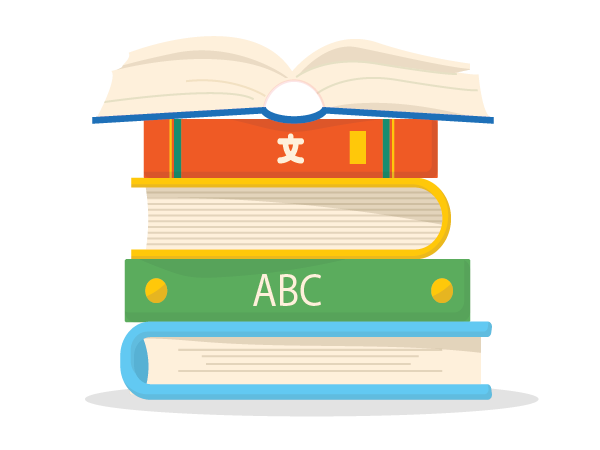
Through the NTUC Community Fund Book Hamper programme, previously known as Bright Horizons Fund (BHF), we hope that children can build up their phonological awareness and expand their understanding of the world around them through reading.
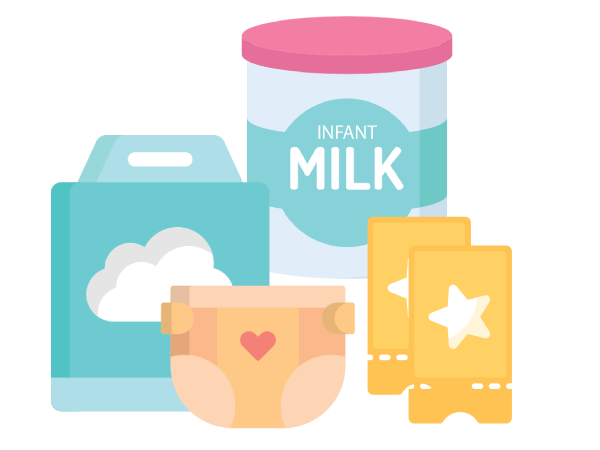
The Infant Nutrition Programme enables low-income families to afford essential items for their children's health and development. Beneficiaries receive cash vouchers to purchase nutrition products suitable for each stage of their children's development.

NTUC First Campus partners with Food From the Heart (FFTH) to provide food ration to needy families through its School Goodie Bag Programme.
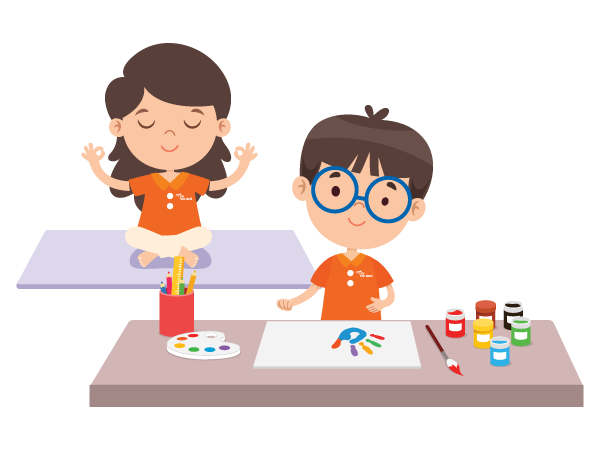
The programme provides opportunities for young children from low-income families to explore and enjoy various sports and arts programmes that they may otherwise not experience. These learning experiences provide an added boost of confidence, giving them the chance to express themselves creatively and discover their hidden talents.
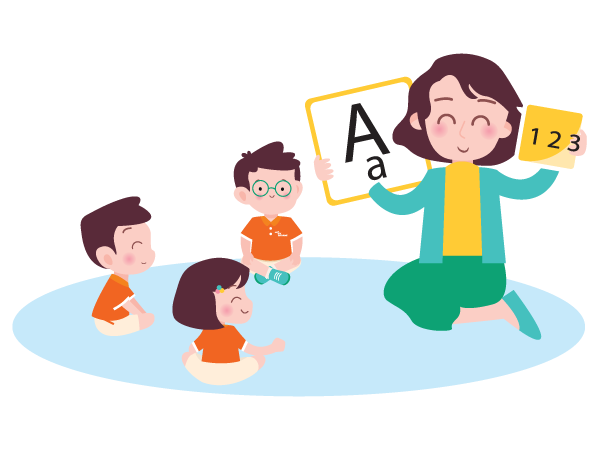
The Classroom Support Programme (CSP) provides in-class learning support for My First Skool children in N2 to K2 from low-income families to prepare them for primary school.

Read-to-REACH (RTR) is a small-group language and literacy intervention programme. K1 children who require additional English Language and Literacy support are taught letter recognition, phonological and phonemic awareness, sight vocabulary, book and print awareness and story comprehension.